
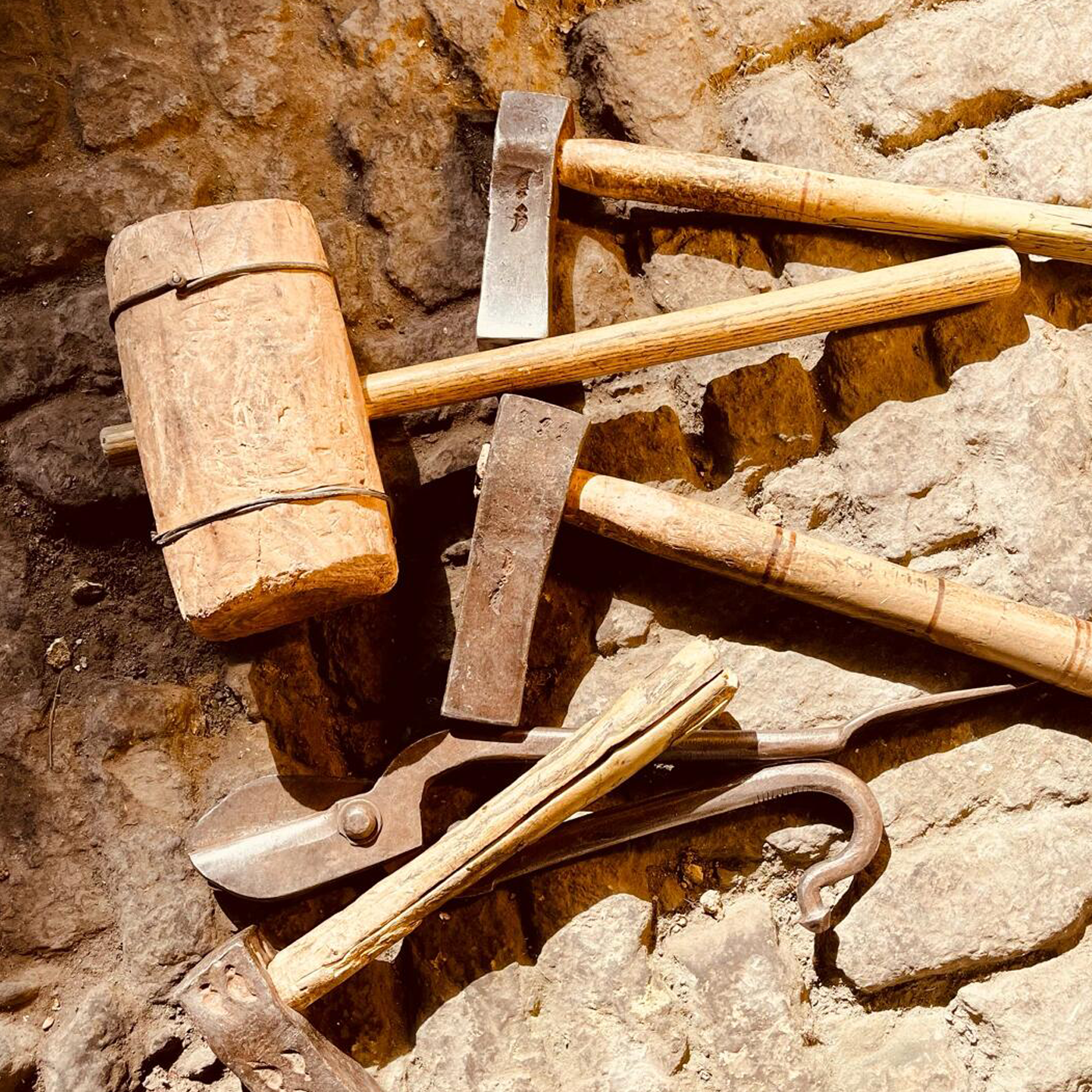
Along the ancient Silk Road, Xinjiang has served not just as a geographical crossroads, but as a melting pot of civilizations. When you touch a piece of Uyghur handicraft from ANAR, you are feeling more than just an object; you are connecting with the soul of an oasis that has thrived for millennia. Today, we invite you into the world of two extraordinary arts teetering between extinction and revival: Xinjiang Earth Pottery and Kashgar Handcrafted Copperware.
The Industrial Tide and the Silent Kilns There was a time when pottery and copper were the lifeblood of the Silk Road oases. From the majestic Aftaba (water jugs) to the intricately engraved Chilapchi (basins), these vessels accompanied generations of Uyghur families. In the 1950s, the kilns of Yengisar burned day and night.
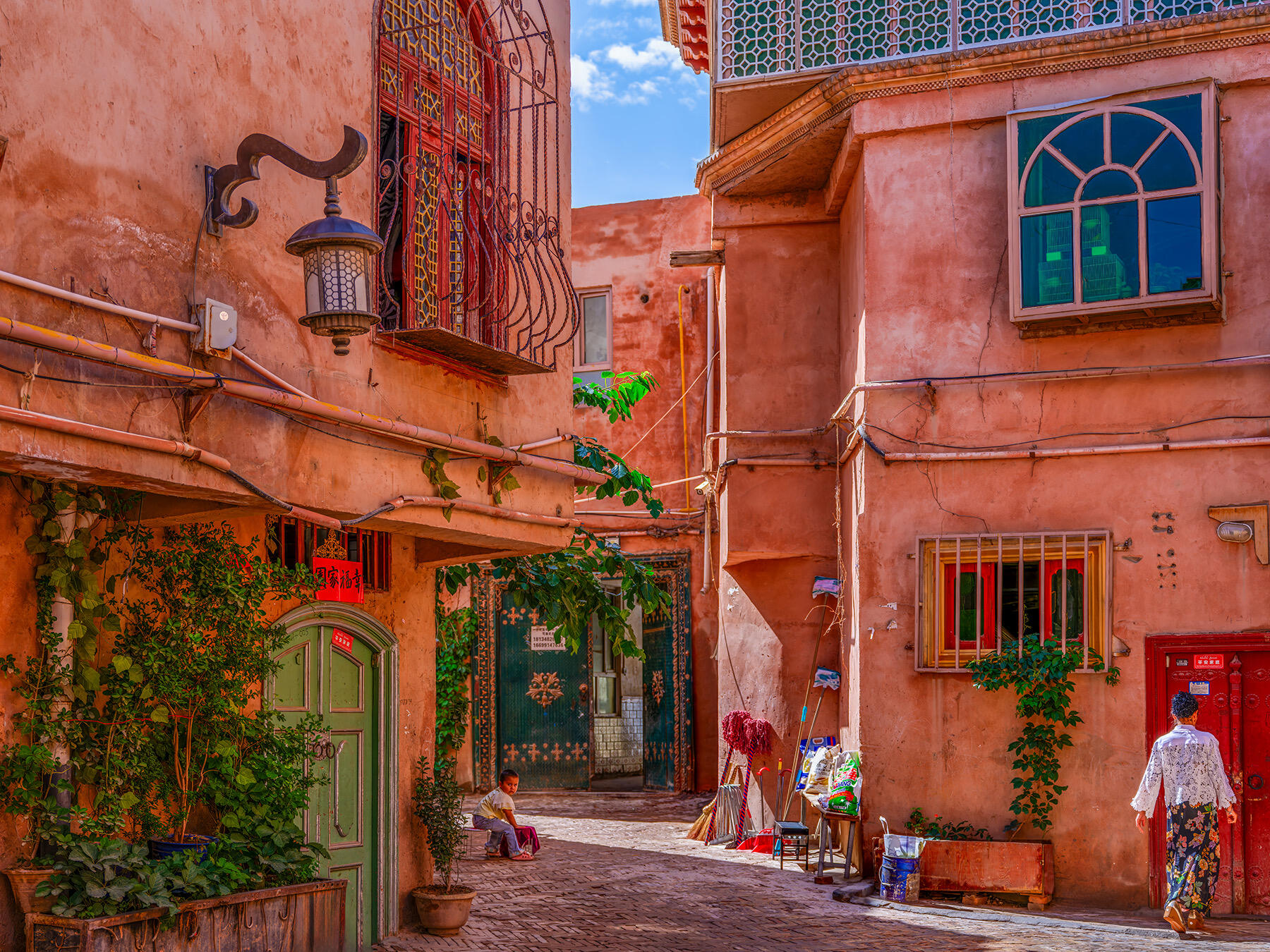
However, since the 1980s, the tide of modernization has been relentless. The influx of mass-produced plastic, glass, and industrial porcelain has pushed these ancient crafts out of daily life. The rhythmic hammering of copper in Kashgar’s Old City was drowned out by urban noise. Master artisans, forced by the need to provide for their families, were often left with no choice but to abandon their wheels and hammers for manual labor. The "poetry of the earth" was suddenly deprived of its market.
A Fragile Memory: Heritage on the Brink The lifeline of traditional craftsmanship is more fragile than we imagine. For centuries, the secrets of Xinjiang pottery and copperware have been passed down through "oral tradition and heart-to-heart instruction." This system relies entirely on the personal experience of masters—a delicate chain of memory. If even one or two generations of youth turn away from the sweltering heat of the kiln or the exhausting physical labor of copper-smithing, a thousand years of history vanishes forever.
The reality is stark. In the once-thriving pottery hubs of Kashgar and Yengisar, only a handful of ancestral families remain. The flame in the great kilns is flickering. The struggle is not just about losing a technique; it is about the unraveling of a vibrant cultural tapestry.
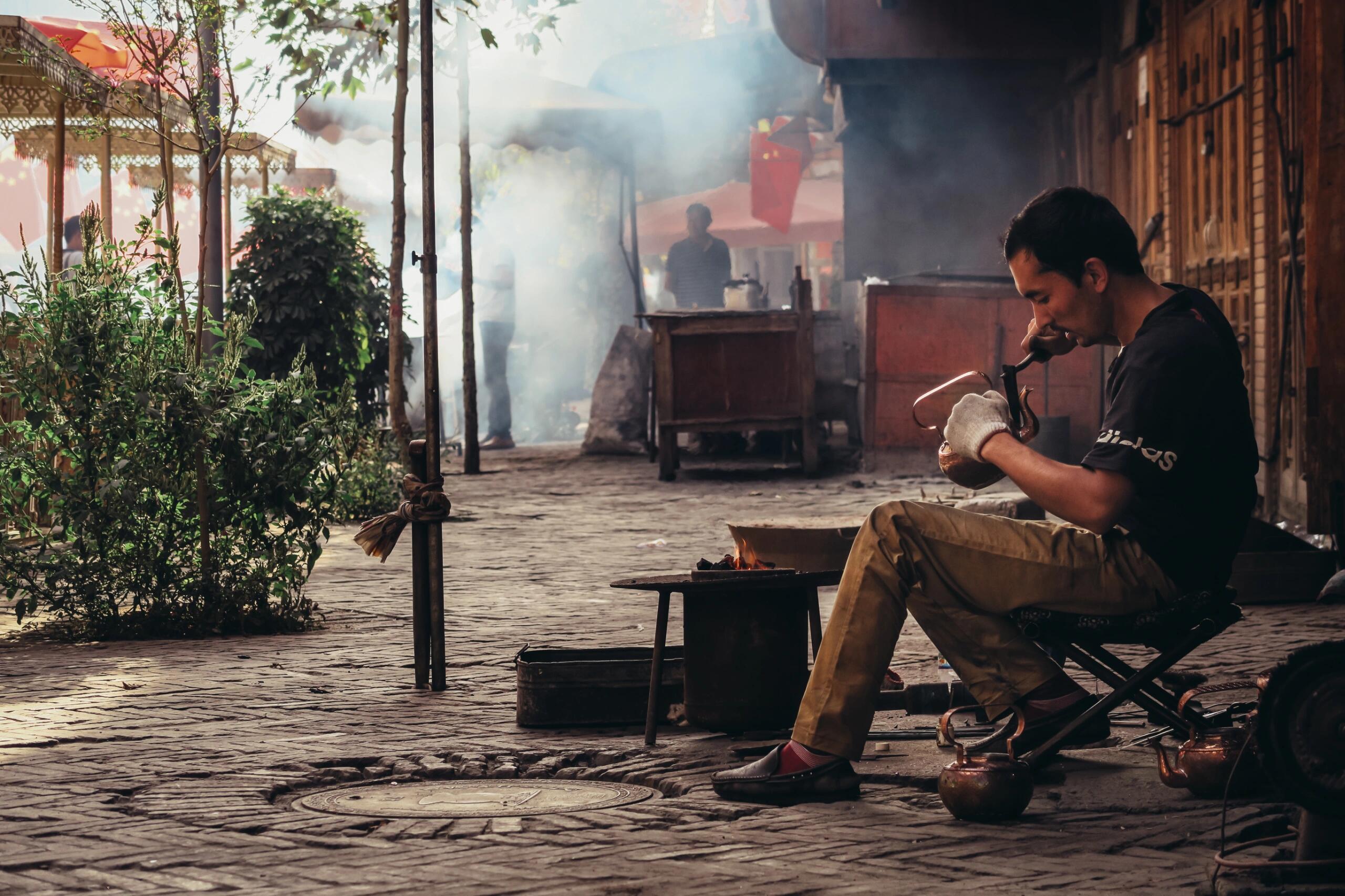
The Struggle for Protection: Our Mission Fortunately, the fire has not been entirely extinguished. In regions like Turpan, heritage zones have been established to break the limitations of family-only apprenticeships. Master craftsmen are now being invited to teach the younger generation, attempting to keep the embers of this art alive.
Yet, passion alone cannot save an art form. The greatest hurdle remains: the lack of a sustainable modern market. Local tourism can only do so much; it is not enough to provide a dignified living for these masters or to inspire the next generation to return to their roots.

Every Choice is a Continuation of Civilization This is why ANAR exists. We venture deep into the alleys of Kashgar and rural villages to source the most artistically significant pieces directly from the remaining masters.
These works possess an unparalleled aesthetic. Whether placed in a contemporary home or a traditional setting, they radiate a timeless character. More importantly, for you as a buyer, every acquisition is far more than a simple purchase. You are providing the vital economic lifeline that allows these ancient arts to survive. You are telling the young apprentices that their culture is valued and their calloused hands are respected by the world.
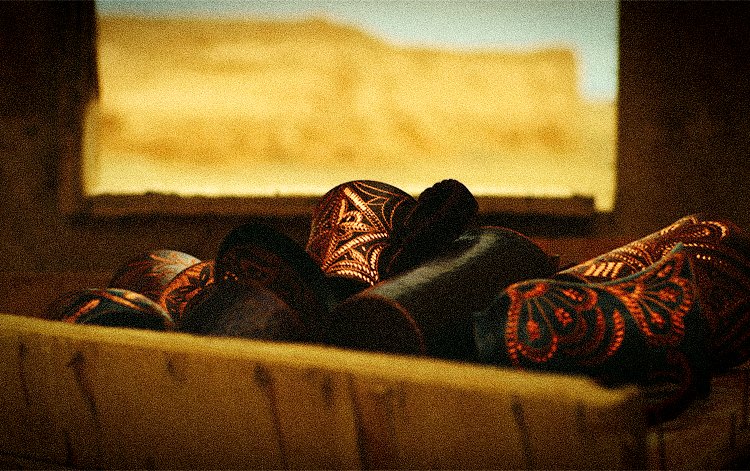
Join us in preserving these epics written in clay and songs hammered into copper. Let the ancient echoes of the Silk Road continue to flow warmly within your home.